

29 Apr Revitalizing Jamaica’s Basketry
Jamaica’s basket-making tradition is a vibrant testament to its African heritage—a skill passed down through centuries by the descendants of enslaved Africans who adapted their weaving techniques to local fibers like coconut fronds, straw, and bamboo. Despite the threats of modern competition, dwindling artisan numbers, and cheaper imports, basketry continues to hold the power to transform rural livelihoods and strengthen cultural identity. By embracing a strategic push—placing a handmade Jamaican basket in every hotel room and encouraging every visitor to take one home—the island can forge a fresh path toward preserving this storied craft and boosting local economies.

1. Shared Roots with the Gullah Community
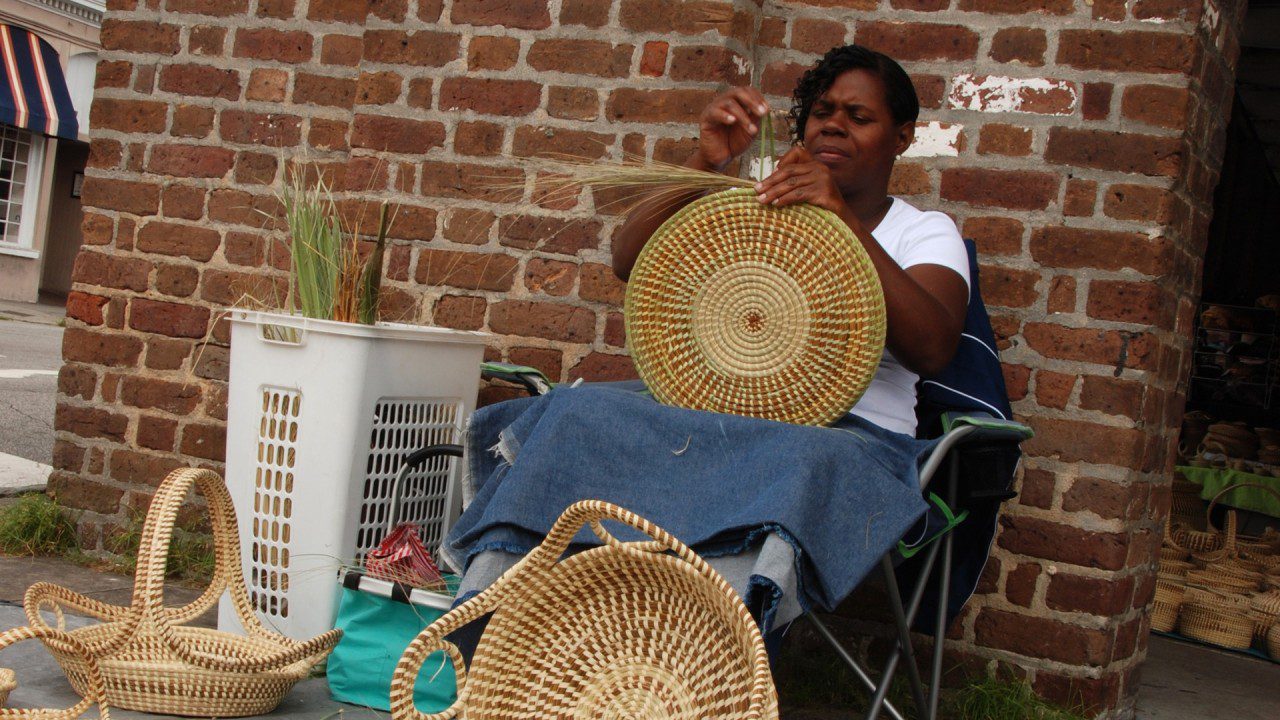
- Common West African Origins Much like the Gullah community in the Carolinas, which produces the world-famous sweetgrass baskets, Jamaican artisans trace their techniques back to West Africa. The Gullahs use sweetgrass, bulrush, and palmetto fronds; Jamaicans rely more on local materials such as coconut fronds, straws, and dried reeds. Both reflect an enduring link to African diasporic cultures.
- Parallel Adaptations Whereas Gullah basketry has become a well-recognized art form featured in Charleston’s markets and museums, Jamaican basket-making, though historically significant, could benefit from broader exposure and marketing. Adopting a bold new strategy—introducing these baskets to Jamaica’s hospitality sector—would increase visibility and help Jamaica’s weaving tradition reach potential on par with Gullah sweetgrass baskets.
2. Social Impact: Preserving Community and Cultural Identity
- Community Cohesion In small Jamaican towns, basket-making often involves families and neighbors weaving together. By expanding market opportunities—primarily via hotels—communities can strengthen bonds and maintain intergenerational knowledge exchanges.
- Cultural Continuity Each basket tells a story of West African heritage, Jamaican resilience, and creative adaptation to local materials. As long as baskets remain in demand, these narratives remain alive and relevant. Offering baskets in every hotel room ensures travelers experience a tangible piece of Jamaican culture, fostering appreciation and sustaining craft traditions.
- Empowerment of Artisans Women often lead basket-making efforts. A robust market means greater economic empowerment for these artisans, helping them achieve financial independence and support their communities more effectively.
3. New Distribution Strategy: Baskets in Every Hotel and Resort
- Beyond Craft Markets Historically, many traditional crafts are sold in hard-to-reach craft markets, sometimes considered unsafe or difficult for visitors to navigate. By partnering with hotels and resorts, basketry moves from niche stalls to prime visibility in tourist hotspots. This shift reduces reliance on foot traffic in local markets and provides artisans with a broader, more consistent customer base.
- A Signature Jamaican Experience Placing a locally made basket in every hotel room creates an immediate cultural connection between the visitor and Jamaica. A simple welcome gesture—like offering fruit or amenities in a handmade basket—can spark curiosity about local craftsmanship. Hotels can sell additional baskets or arrange direct links to artisans, turning a simple courtesy item into a memorable keepsake that tourists can buy and take home.
- “Take a Piece of Jamaica Home” Initiative Ensuring every tourist leaves the island with a Jamaican-made basket can become a national campaign, endorsed by the Ministry of Tourism and supported by hotel associations. This approach effectively positions baskets as must-have souvenirs, keeping the tradition alive and generating a steady income for artisans.

4. Economic Benefits: A Catalyst for Rural Development
- Job Creation and Income Security A formal agreement between hotel operators and basket cooperatives can create stable, year-round orders. Artisans could then plan production, invest in materials, and potentially hire apprentices—spreading economic gains through rural communities. This model aligns with how Gullah sweetgrass baskets have become a reliable income source for families in the Carolinas.
- Enhancing Tourism Revenue Tourists enjoy unique experiences and authentic cultural souvenirs. By offering them a tangible link to Jamaican heritage, hotels boost visitor satisfaction and encourage positive word-of-mouth advertising. Positive experiences can lead to repeat visits and an increased likelihood of travelers seeking additional cultural products—wood carvings, paintings, or music—further uplifting Jamaica’s creative economy.
- Branding and Global Reach Success stories from other countries (Ghana’s Bolgatanga baskets, Morocco’s raffia designs, the Philippines’ abaca creations) confirm that artisanal crafts can reach premium markets if effectively branded and marketed. Jamaica can leverage a “Jamaican Handmade Basket” or “Crafted in Jamaica” label to distinguish its products globally, driving demand among eco-conscious and culture-oriented consumers.
5. Government Involvement: Securing the Future of Jamaican Basketry
- Investments in Training and Infrastructure To meet demand, Jamaica’s leadership can sponsor vocational programs, artisan collectives, and co-op structures that teach weaving techniques, business basics, and quality control. Improved public transport, internet access, and credit facilities in rural communities would also strengthen the supply chain and allow artisans to meet hotel orders efficiently.
- Marketing and Promotion Collaboration between the Ministries of Tourism, Culture, and Industry could yield marketing campaigns highlighting Jamaican basketry as a centerpiece of the tourist experience. Public-private partnerships would facilitate distribution channels, ensuring baskets are found in significant resorts, boutique hotels, villas, and guest houses across the island.
- Cultural Preservation Government recognition and support can help keep this living heritage from vanishing. Grants, contests, and festivals celebrating basketry can spark national pride and entice young people to learn the craft. Partnerships with international cultural organizations can highlight Jamaican basketry as essential to the global African diaspora story.
Conclusion
Jamaican basket-making is more than just a traditional craft—it reflects the island’s resilience, creativity, and cultural pride. Through a strategic approach that places handmade baskets in every hotel room and encourages tourists to depart with a piece of this heritage, Jamaica can unlock new economic opportunities for rural artisans while safeguarding the legacy of West African weaving techniques.
By looking to successful models—from the Gullah sweetgrass baskets in South Carolina to Bolgatanga weavers in Ghana—Jamaica’s leadership can draw inspiration to build a thriving, world-renowned basket industry. With intentional support, marketing, and engagement from both government and private sectors, this art form can endure and flourish—tightly weaving the past into the future of the island’s cultural and economic tapestry.
Image from Vogue: Why Every Closet Needs a Woven, Net, or Market Basket Bag


No Comments